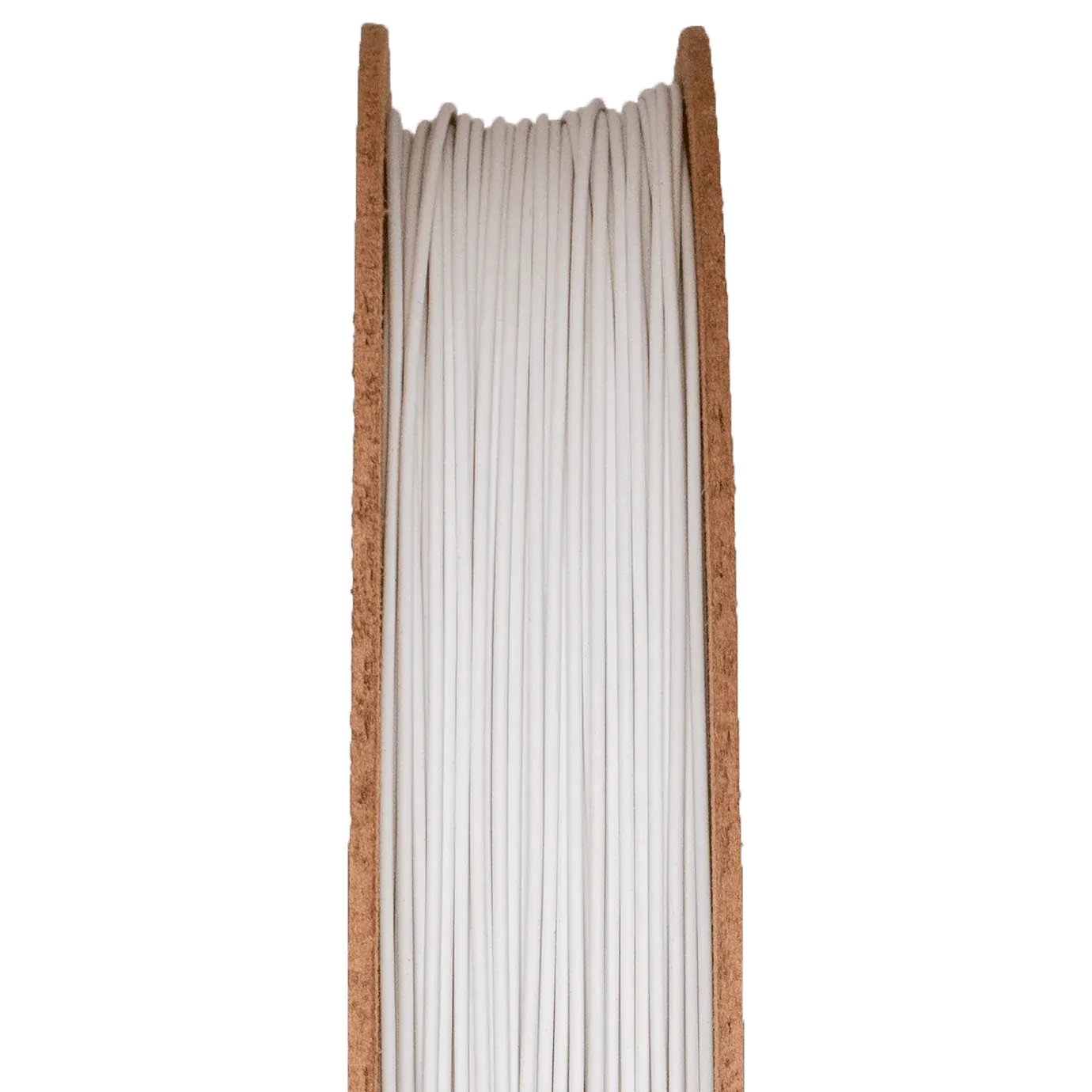
Zirconium Silicate (Zircopax) Ceramic Filamet™ — 1.75 mm, 0.5 kg
or 4 payments of $149.75 with
 Info
Info
Reseller, Corporate or Goverment Buyer?
Government and Education
3DPrintergear has been supplying government organisations with 3D printers, services and support since 2012. As an approved government customer you will automatically be entitled to 30-day terms with an official purchase order.
If you would like to create an account, please contact us on 1300 334 327, or at admin@3dprintergear.com.au
Resellers
Want to become a reseller?
3DPrintergear offers special pricing to genuine resellers. Once your application is approved, your new buying prices will be shown on our website after you login. To apply for a resellers account please contact us at admin@3dprintergear.com.au
Your Order Qualifies for Free Shipping! - FREE
Your order will be shipped by the most economical option, with online tracking. Delivery is usually 2-7 business days.
Free Pick-Up From Store - FREE
- Photo ID Required For All Pickup Orders
- Free pick-up from '781 High St, Reservoir VIC 3073', during opening hours
- Call Us 1300 334 327 if Urgently Required
- Express Dispatch
- Australian Owned & Operated
- Money Back Guarantee
- Quality Assured Products
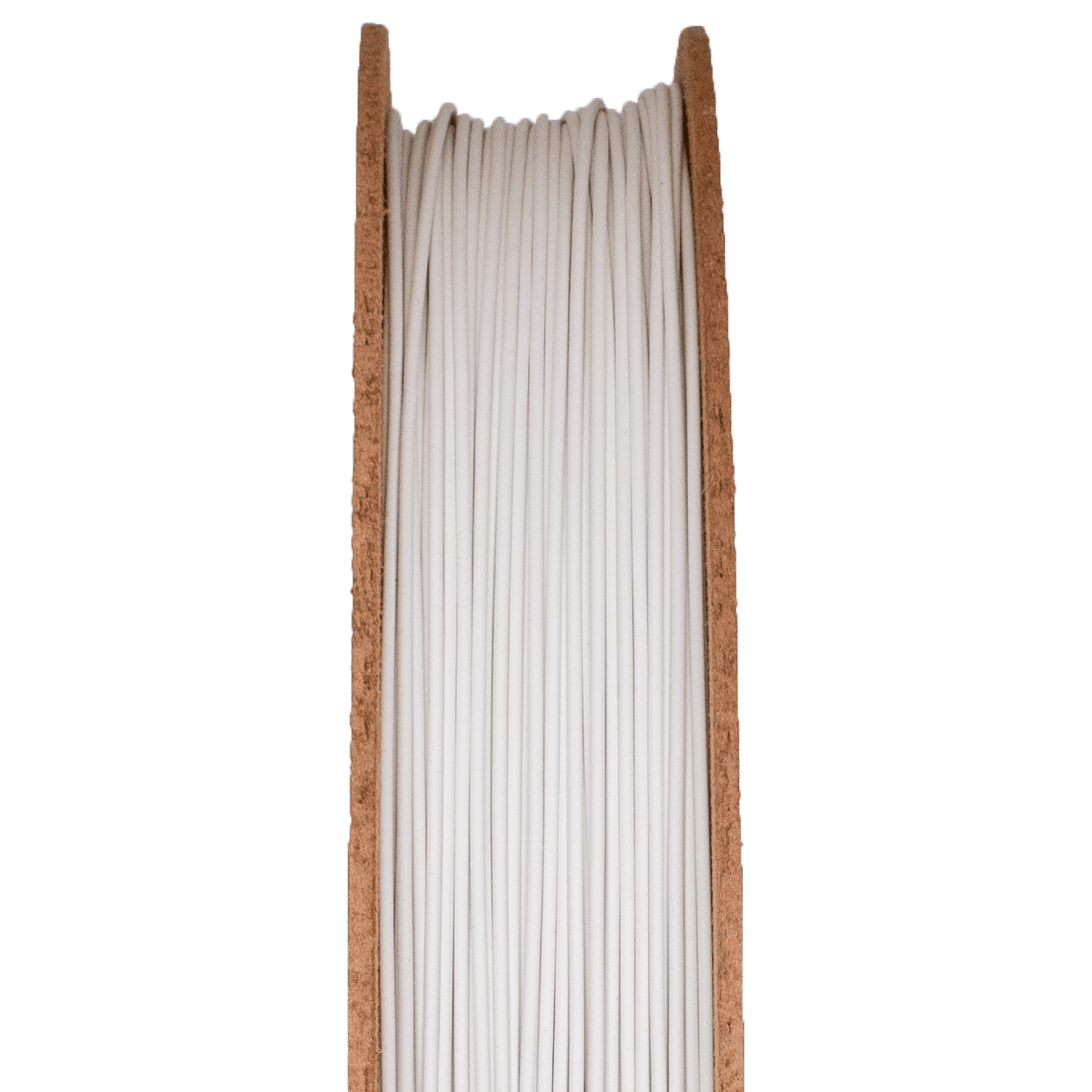
Real zirconium silicate ceramic, printed on a desktop FDM printer
Zirconium Silicate Ceramic Filamet™ loads 64–69% Zircopax-grade ZrSiO4 into a printable polymer matrix. After kiln firing, the binder burns out and the silicate particles fuse into a dense, opaque white ceramic that holds its shape and properties at temperatures well above what any polymer or low-melting metal can survive.
Zircopax is the brand-name zirconium silicate that has dominated pottery and refractory work for generations — used as an opacifier in white glazes, as a base for kiln furniture, and as a thermal insulator in foundry tooling. With Filamet™ you can now print custom Zircopax geometry — insulator bushings, refractory shapes, kiln posts — instead of carving them from a block.
How it works — the 4-step process
Print on any FDM printer with a 0.6 mm hardened steel nozzle. The filament prints with PLA-like behaviour and minimal warping.
Pack
Nest the green part in alumina or silica refractory ballast inside an alumina crucible — supports the part as the binder burns out.
Sinter
Fire to ~1200°C+ in a ceramics or pottery kiln — a standard cone-6 schedule is in the right range for first attempts.
Finish
Brush off ballast, glaze and re-fire if desired, or use the bisque-fired ceramic as-is. Expect ~15–20% linear shrinkage — scale models up ~120–125%.
Why zirconium silicate (Zircopax)
Refractory at high temperature
Zirconium silicate stays dimensionally stable far above the operating range of most metals — ideal for kiln furniture and foundry tooling.
Excellent electrical insulator
High dielectric strength and low electrical conductivity — widely used as an electrical insulator in kiln, furnace and high-voltage applications.
Glaze-friendly Zircopax chemistry
Same chemistry potters have been opacifying glazes with for decades — you can glaze and re-fire prints with cone-6 glaze recipes.
Standard pottery kiln works
Sinters in the cone-6 / ~1200°C+ range — any mid-range pottery kiln (or the TVF FireX) handles the schedule.
Bright opaque white finish
Sintered parts are dense, opaque and bright white — the same opacifying property that made Zircopax the standard glaze additive.
USA-made, fully supported
Manufactured in South Central Wisconsin by The Virtual Foundry. Direct technical support from the team that makes the material.
Recommended print settings
Specifications
Printing tips
- Heavier than PLA — slow first layer for adhesion
- Filawarmer recommended for prints over 4 hours
- Direct drive preferred for cleaner extrusion
- Scale models up 120–125% to compensate for sinter shrinkage
Common applications
- High-temperature thermal insulators
- Refractory bricks and custom kiln furniture
- Electrical insulators for furnaces and high-voltage
- Custom ceramic fasteners and bushings
- Foundry tooling and investment casting cores
- Jewelry investments and decorative ceramics
What you can make


Frequently asked questions
What else you’ll need
TVF FireX Sintering Kiln
Engineered for the full Filamet™ range — cone-6 ceramic schedules and beyond.
Filawarmer
Recommended for long ceramic prints. Reduces snap risk on heavy filaments.
Made in South Central Wisconsin, USA. World-class technical support provided for all TVF products.
(TVF-FILAMET-ZS-175)
| SKU | TVF-FILAMET-ZS-175 |
| Brand | The Virtual Foundry |
| Shipping Width | 0.220m |
| Shipping Height | 0.080m |
| Shipping Length | 0.220m |
Be The First To Review This Product!
Help other 3DPrintergear users shop smarter by writing reviews for products you have purchased.