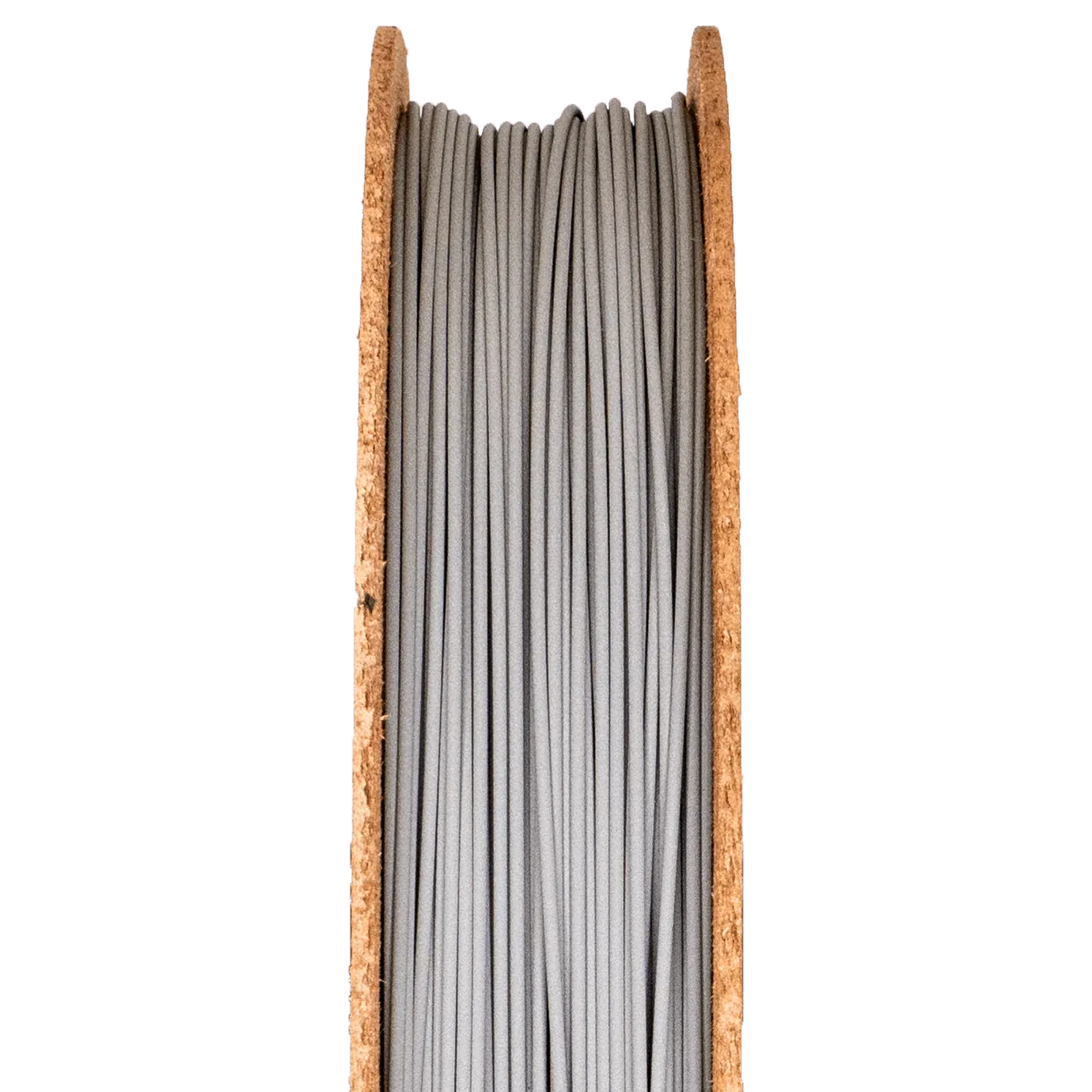
Stainless Steel 316L Filamet™ — 1.75 mm, 0.5 kg
or 4 payments of $107.25 with
 Info
Info
Reseller, Corporate or Goverment Buyer?
Government and Education
3DPrintergear has been supplying government organisations with 3D printers, services and support since 2012. As an approved government customer you will automatically be entitled to 30-day terms with an official purchase order.
If you would like to create an account, please contact us on 1300 334 327, or at admin@3dprintergear.com.au
Resellers
Want to become a reseller?
3DPrintergear offers special pricing to genuine resellers. Once your application is approved, your new buying prices will be shown on our website after you login. To apply for a resellers account please contact us at admin@3dprintergear.com.au
Your Order Qualifies for Free Shipping! - FREE
Your order will be shipped by the most economical option, with online tracking. Delivery is usually 2-7 business days.
Free Pick-Up From Store - FREE
- Photo ID Required For All Pickup Orders
- Free pick-up from '781 High St, Reservoir VIC 3073', during opening hours
- Call Us 1300 334 327 if Urgently Required
- Express Dispatch
- Australian Owned & Operated
- Money Back Guarantee
- Quality Assured Products
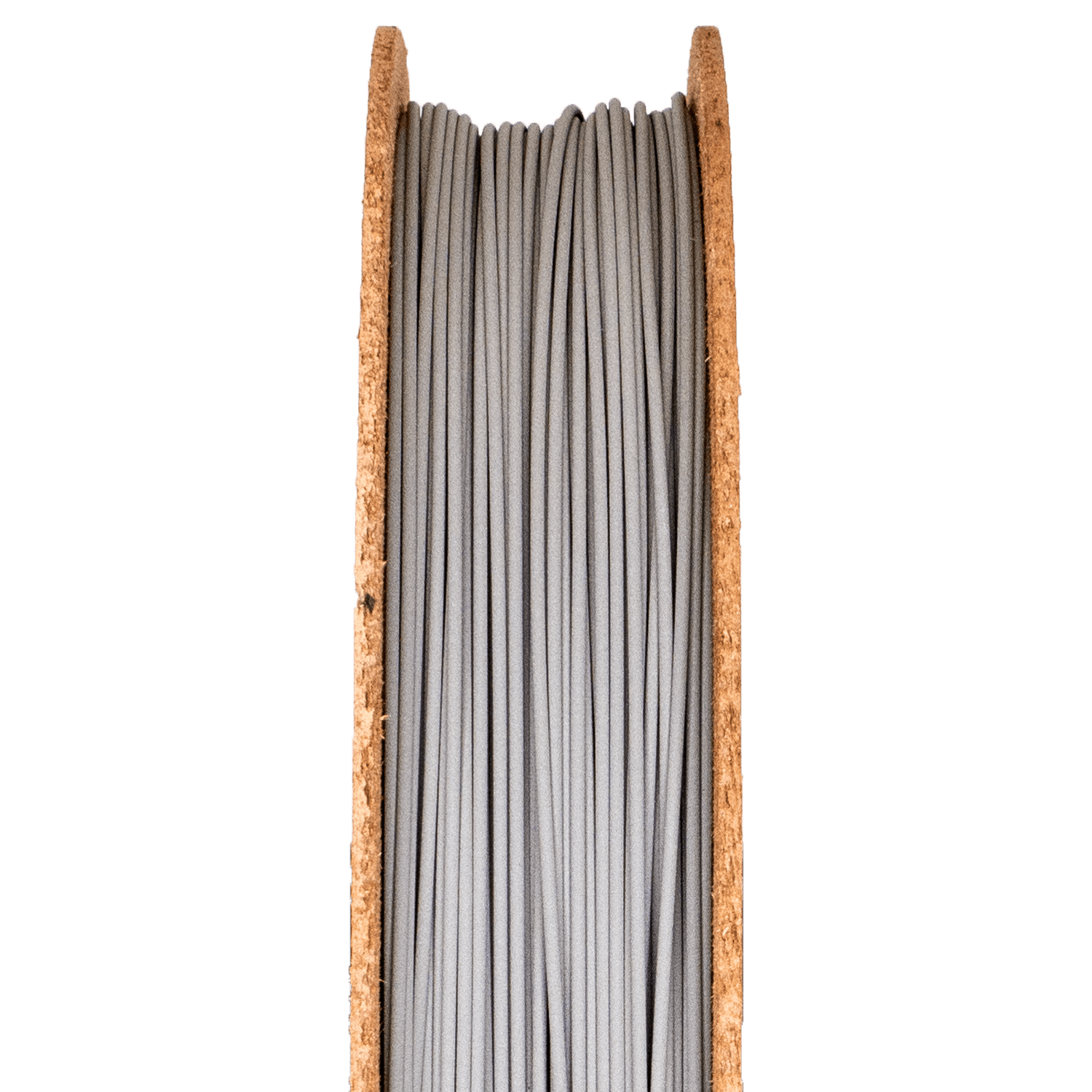
Real 316L stainless steel, printed on a desktop FDM printer
Stainless Steel 316L Filamet™ turns any standard FDM printer into a desktop metal foundry for the most-used corrosion-resistant stainless alloy on the planet. After sintering, finished parts are 80–85% pure 316L — the same alloy used in medical implants, marine fittings, food-processing equipment and pharmaceutical hardware.
316L sinters at higher temperatures than copper or bronze, so this material is best suited to users who already have a FireX-class kiln (1260°C+) and have a couple of metal-FDM cycles under their belt. A Filawarmer is required — steel filament is heavy enough that snap risk at the extruder is significantly higher without inline conditioning.
How it works — the 4-step process
From spool to solid 316L stainless in four steps. Plan on 1–2 days end to end — mostly unattended kiln time.
Print on any FDM printer with a hardened steel nozzle and a Filawarmer in line. Slow speeds (~30 mm/s) give the strongest green parts.
Pack
Nest the green part in refractory ballast inside an alumina crucible. Steel sintering benefits from extra ballast around the part.
Sinter
Fire to ~1250°C in a kiln capable of sintering steels. Mostly unattended ramp, hold and cool-down. Iron particles fuse into solid 316L.
Finish
Brush off ballast. Expect ~15–20% linear shrinkage — design for it by scaling up ~120–125% in your slicer. 316L finishes like cast stainless: passivate, polish or brush.
Why 316L stainless
Marine-grade corrosion resistance
316L is the alloy spec’d for saltwater hardware, ocean instrumentation and chemical-process equipment. Highly resistant to chloride pitting.
Food-grade and biocompatible
The same alloy used in commercial kitchens, brewery hardware, surgical implants and pharmaceutical pipework.
Genuine metal output
Finished parts are 80–85% pure 316L stainless — weldable, machinable, magnetically inert (paramagnetic) like cast 316L.
No proprietary hardware
Works on any open-architecture FDM printer with a hardened steel nozzle. No locked-down systems, no vendor lock-in.
Prints like PLA
Familiar print profile, low extruder temperatures, minimal warping. The complexity is in sintering, not printing.
USA-made, fully supported
Manufactured in South Central Wisconsin by The Virtual Foundry. Direct technical support from the team that makes the material.
Recommended print settings
316L Filamet™ is heavier than copper or bronze. A Filawarmer is required — not optional — to avoid filament snap at the extruder.
Compatible printers: any open-architecture FDM with a hardened steel nozzle. Check the trusted printers list →
Printing tips
- Filawarmer is essential — not optional — for steel filaments
- Route filament straight from spool to extruder — no tight bends
- Direct drive extruders strongly preferred over Bowden for steel
- Slow first layer significantly — weight makes adhesion critical
- Scale models up 120–125% to compensate for sinter shrinkage
Common applications
- Marine hardware, fittings and underwater instrumentation
- Food-processing and brewing equipment
- Medical and dental research components
- Pharmaceutical pipework and chemical handling
- Aerospace and automotive prototyping
- One-off and short-run production where corrosion resistance matters
Specifications
Frequently asked questions
What else you’ll need
Filawarmer
Required for steel filaments. Inline heater that resets spool memory and prevents snaps at the extruder.
Resources & documentation
Trusted Printers List
Check whether your machine is tested before you buy.
Check the trusted printers list →Debinding & Sintering
Steel-specific ramp schedules, hold times and ballast packing techniques.
View the sintering guide →SDS & TDS Documents
Safety Data Sheets and Technical Data Sheets for the TVF metal range.
Download SDS & TDS →Research Papers
Independent and TVF-published research on the mechanical properties of sintered Filamet™ parts.
Browse research →Made in South Central Wisconsin, USA. World-class technical support provided for all TVF products.
(TVF-FILAMET-SS316L-175)
| SKU | TVF-FILAMET-SS316L-175 |
| Brand | The Virtual Foundry |
| Shipping Width | 0.220m |
| Shipping Height | 0.080m |
| Shipping Length | 0.220m |
Be The First To Review This Product!
Help other 3DPrintergear users shop smarter by writing reviews for products you have purchased.