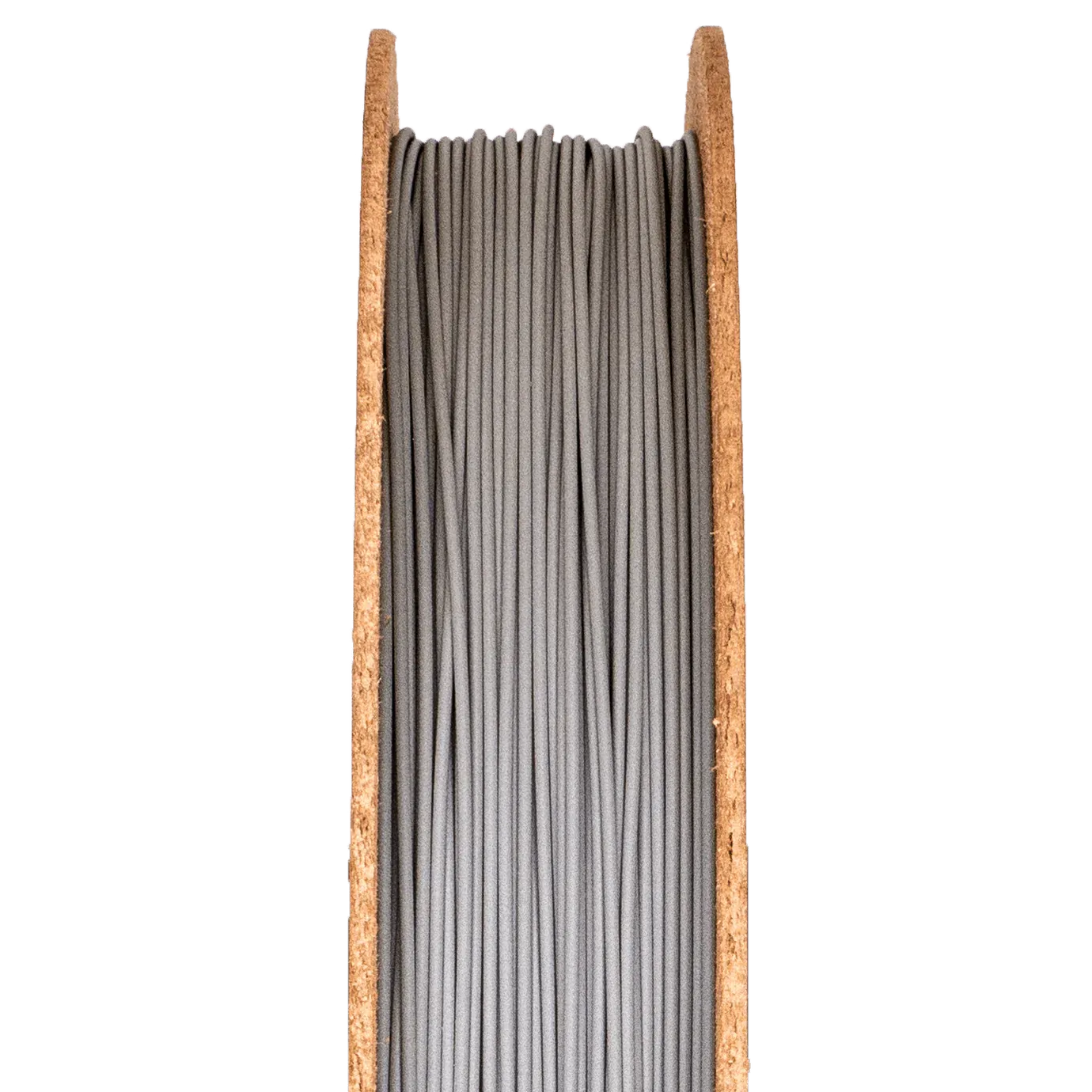
Titanium 64-23 Filamet™ — 1.75 mm, 0.5 kg
or 4 payments of $239.50 with
 Info
Info
Reseller, Corporate or Goverment Buyer?
Government and Education
3DPrintergear has been supplying government organisations with 3D printers, services and support since 2012. As an approved government customer you will automatically be entitled to 30-day terms with an official purchase order.
If you would like to create an account, please contact us on 1300 334 327, or at admin@3dprintergear.com.au
Resellers
Want to become a reseller?
3DPrintergear offers special pricing to genuine resellers. Once your application is approved, your new buying prices will be shown on our website after you login. To apply for a resellers account please contact us at admin@3dprintergear.com.au
Your Order Qualifies for Free Shipping! - FREE
Your order will be shipped by the most economical option, with online tracking. Delivery is usually 2-7 business days.
Free Pick-Up From Store - FREE
- Photo ID Required For All Pickup Orders
- Free pick-up from '781 High St, Reservoir VIC 3073', during opening hours
- Call Us 1300 334 327 if Urgently Required
- Express Dispatch
- Australian Owned & Operated
- Money Back Guarantee
- Quality Assured Products
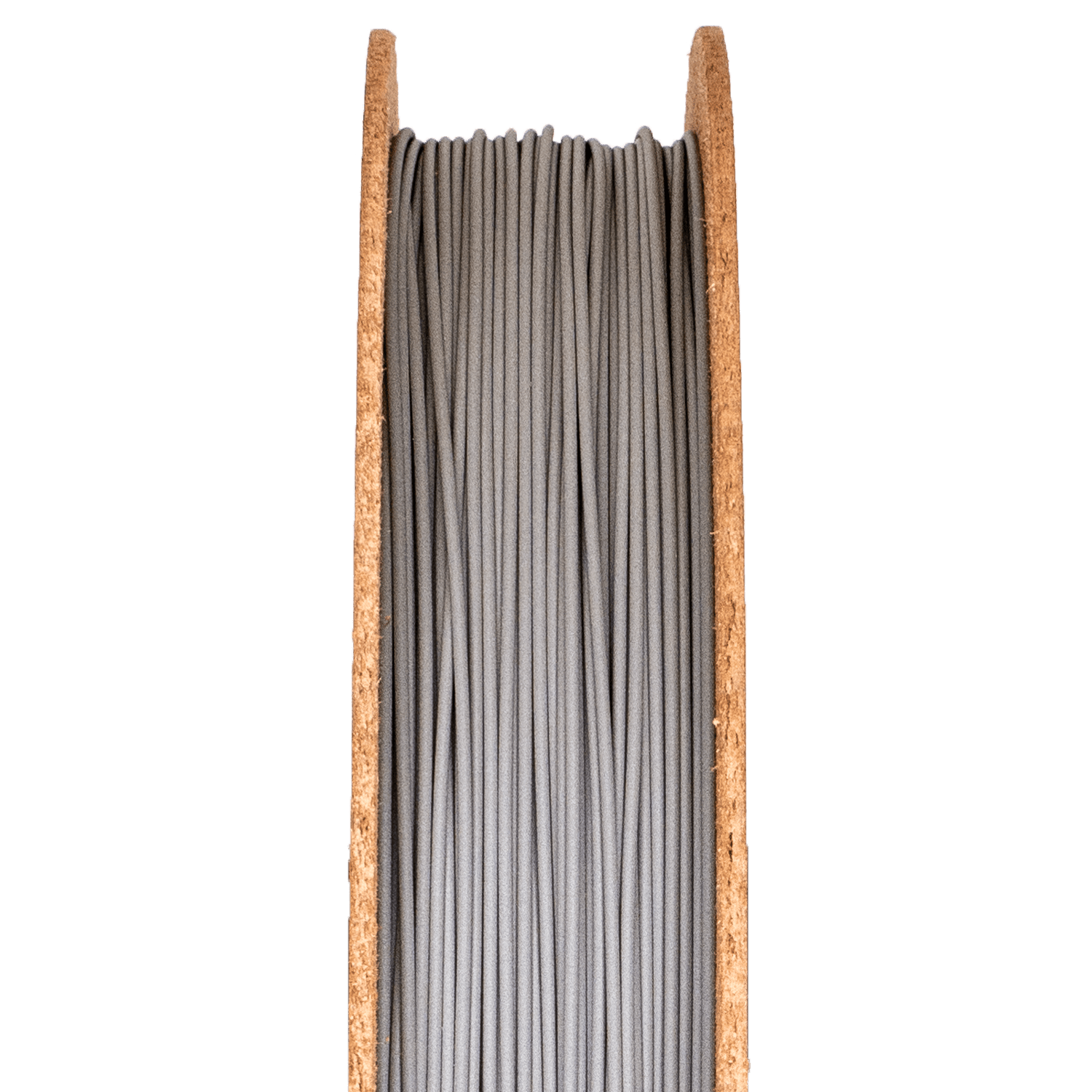
Real medical-grade titanium, printed on a desktop FDM printer
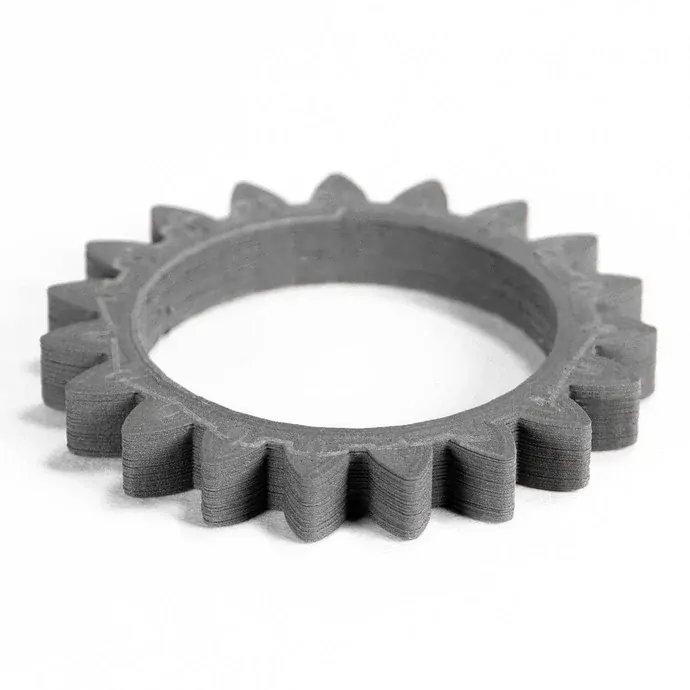
Titanium 64-23 Filamet™ lets you print parts that sinter into 78–82% pure Ti-6Al-4V ELI — ASTM Grade 23 titanium. Grade 23 is the Extra Low Interstitial variant of the workhorse Ti-6Al-4V alloy: lower oxygen, nitrogen and iron content gives it the toughness and biocompatibility required for biomedical implant work, alongside aerospace, high-performance bicycle and marine applications.
Density of just 2.50–2.85 g/cc on the spool means titanium prints far lighter on the extruder than steel or copper Filamets — closer in feel to standard PLA. The complexity is on the kiln side: titanium sinters near 1300°C and ideally under inert atmosphere to prevent surface oxidation. Done correctly, the result is a true Grade 23 part — lightweight, strong and biocompatible.
How it works — the 4-step process
Print on any FDM printer with a 0.6 mm hardened steel nozzle. A Filawarmer is required. Lighter than steel filaments — prints relatively easily.
Pack
Nest the green part in refractory ballast inside an alumina crucible. Ballast supports geometry through binder burnout.
Sinter
Fire to ~1300°C in the FireX kiln, ideally under argon or inert atmosphere to keep oxygen pickup low and preserve Grade 23 spec.
Finish
Brush off ballast, machine, polish or anodise as required. Expect ~17–22% linear shrinkage — design for it by scaling up ~120–125% in your slicer.
Why Grade 23 titanium
Implant-grade biocompatibility
Grade 23 (ELI) is the standard alloy for medical implant research — low interstitial content gives the toughness and inertness needed near living tissue.
Lightweight strength
Roughly half the weight of steel at comparable strength. Where mass matters — aerospace, frames, prosthetics — titanium is the obvious answer.
Excellent corrosion resistance
Self-passivating oxide layer makes titanium nearly inert in seawater, body fluids and many industrial environments.
Lower extruder load
At 2.50–2.85 g/cc, titanium prints lighter than steel, copper or tungsten Filamets — gentler on the extruder, fewer snaps.
Bypasses titanium machining cost
Conventional titanium machining is slow, expensive and tool-hungry. FDM-then-sinter sidesteps the machining problem entirely.
USA-made, fully supported
Manufactured in South Central Wisconsin by The Virtual Foundry. Direct technical support from the team that makes the material.
Recommended print settings
Printing tips
- Lighter than steel/copper — tolerates faster speeds
- Filawarmer required for snap-free long prints
- Sinter under argon when possible to preserve Grade 23 spec
- Scale models up 120–125% to compensate for sinter shrinkage
Common applications
- Medical implant research and prosthetics R&D
- Aerospace structural components and brackets
- High-performance bicycle frames and components
- Marine hardware and salt-water-exposed parts
- Dental research components and surgical guides
- Lightweight motorsport prototypes
Specifications
Inside the spool


Frequently asked questions
What else you’ll need
TVF FireX Sintering Kiln
Required for titanium sintering at ~1300°C — the top of the FireX range. Pair with argon atmosphere capability for Grade 23-spec parts.
Filawarmer
Required for Titanium 64-23 Filamet™. Reduces snap risk and resets spool memory for long prints.
Made in South Central Wisconsin, USA. World-class technical support provided for all TVF products.
(TVF-FILAMET-TI64-175)
| SKU | TVF-FILAMET-TI64-175 |
| Brand | The Virtual Foundry |
| Shipping Width | 0.220m |
| Shipping Height | 0.080m |
| Shipping Length | 0.220m |
Be The First To Review This Product!
Help other 3DPrintergear users shop smarter by writing reviews for products you have purchased.